3 min read ·
Dead Heat in Horse Racing: How to Read a Tied Result
A dead heat means horses share a finishing position. Learn how photo finishes decide it, what DH1 means, and how prize money and returns differ.
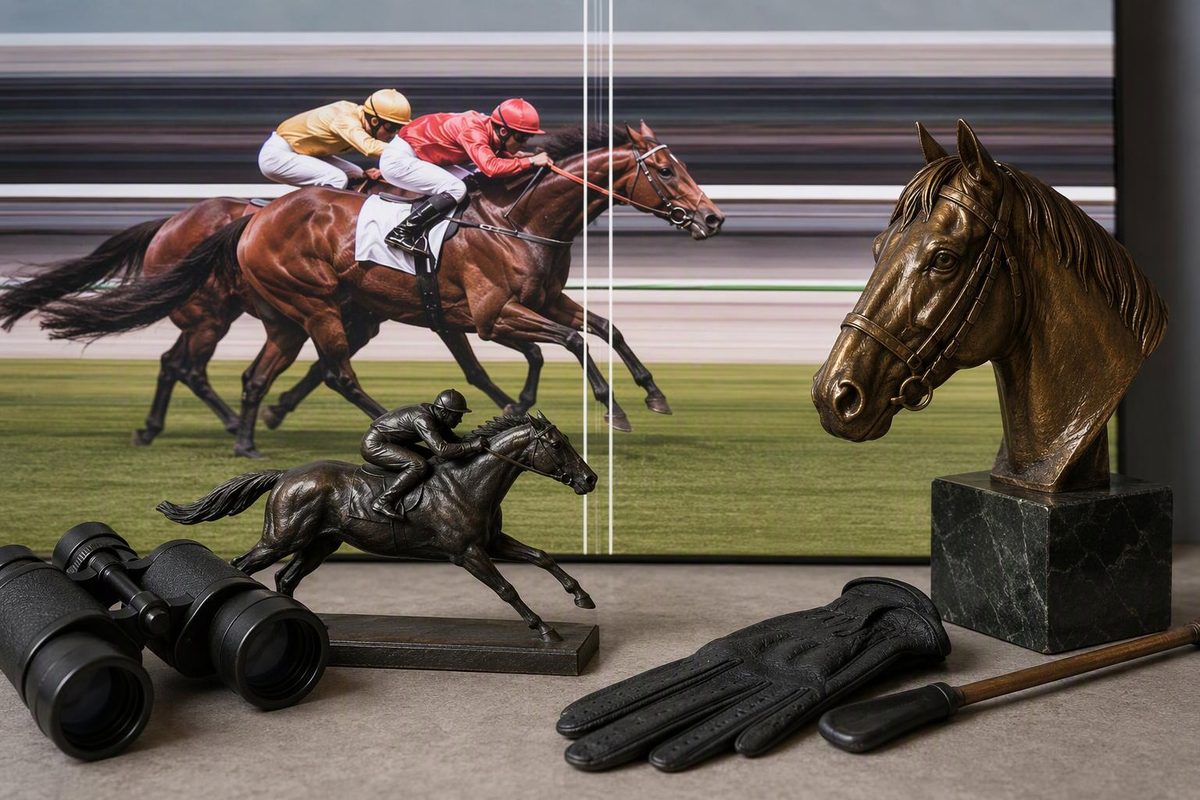
A dead heat in horse racing is an official tie: two or more horses cannot be separated for a finishing position. If they dead-heat for first, they are joint winners. A dead heat can also occur for second, third or any lower position—not just the win. It is a recorded result, rather than a description of a race that merely looked close. America’s Best Racing explains the distinction.
How does a photo finish decide a dead heat?
The deciding point is the horse’s nose, not its ears, legs or jockey. For example, Hong Kong’s 2026–27 Rules of Racing require the judge to base the placings exclusively on the position of the horses’ noses as they pass the winning post. HKJC Rule 31
A photo-finish image is not an ordinary freeze-frame of the field. It combines narrow images taken at the finish line over time. The judge compares the noses on that image to establish the order. A television angle can therefore give a misleading impression of which horse arrived first. The Hong Kong Jockey Club’s photo-finish guide stresses that purpose-built photo-finish images, rather than conventional video images, should determine results; a Paulick Report interview with a placing judge explains how the comparison works.
A photo finish does not automatically mean a dead heat. It can establish a narrow but decisive winning margin. In Britain, the BHA introduced “nose” as a finishing-distance category between dead heat and short head in February 2008. A nose verdict still separates the horses; a dead heat does not. BHA announcement
Reading DH in a result
Look at the finishing-position column and any accompanying notation. DH marks a dead heat, though the display format can vary. In BloodHorse’s results, DH1 combines that marker with first place. It describes a shared finishing position—not a rating, forecast or payout amount.
The 2026 Jenny Wiley Stakes at Keeneland provides a clear example. BloodHorse’s result lists Expensive Queen and Segesta as DH1, followed by Medoro in third:
| Displayed position | Horse | How to read it |
|---|---|---|
| DH1 | Expensive Queen | Joint first |
| DH1 | Segesta | Joint first |
| 3 | Medoro | Third, behind the two joint winners |
Source: BloodHorse’s Jenny Wiley Stakes result, 11 April 2026.
There is no separately placed runner-up in this result. Two horses share first and occupy the first two places, so the next horse is third. Do not treat whichever joint winner appears first on the page as having beaten the other.
When reviewing a horse’s previous form, a joint win is still a win, but it is not evidence of superiority over the other joint winner. Nor does a tied finish establish that the horses have identical ability. Compare the weights carried, distance, going and race circumstances before drawing that conclusion. The result records what happened in that race; those other fields help explain its relevance to the next one. See how to read a racecard for that wider context.
Prize money and betting returns are different
Prize-money rules govern the owners’ awards. Hong Kong’s rules, for example, combine the prizes for the successive positions occupied by the tied horses and divide that sum equally. Each horse sharing first is deemed a winner, and the dead heat is not run off. Thus, two horses tied for first share the combined first- and second-place prizes—not simply half the first prize. HKJC Rules 108–109
Bet settlement is separate. Under Betfair’s published dead-heat rule, a two-way tie in a win market divides the stake in half and pays the winning half at the full odds; the other half loses. A £10 win stake at fractional odds of 4/1 would therefore return £25, including £5 of stake, for £15 net profit against the original £10 outlay, before any applicable commission or other deductions.
That calculation is not a universal formula for every racing pool. Pari-mutuel dividends follow pool rules and the amounts wagered on the tied horses; use the published dividends rather than halving an assumed payout. America’s Best Racing’s pool explanation